
Subaru of Portland - What the 2026 Subaru Outback’s Roof Rails Really Do for Weekend Gear near Lake Oswego, OR
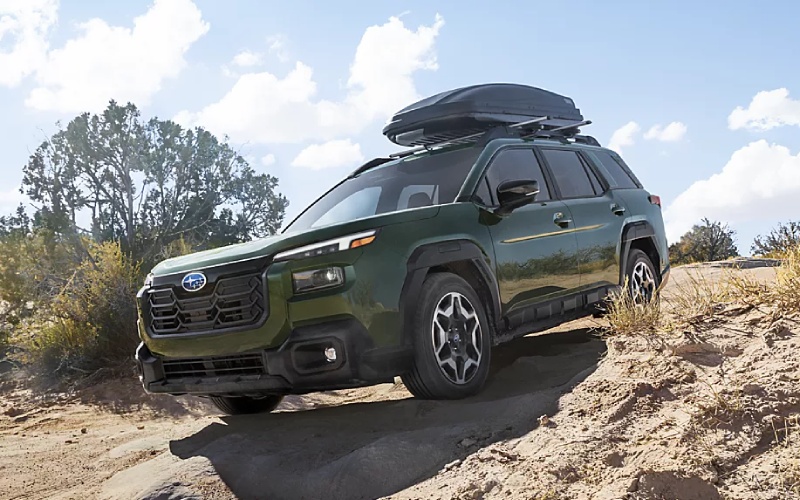
The right roof rails turn a capable SUV into a true weekend enabler, and the 2026 Subaru Outback raises the bar with upgraded heavy-duty rails that make carrying bulky gear simpler and more secure. If you live near Lake Oswego, OR, chances are you’re balancing a lot—work in town, family schedules, and an active calendar that may include waterfront paddling, trail time, or a day trip east toward the Gorge. The Outback’s new rail system is designed exactly for that kind of life, with impressive capacity ratings and user-friendly touches that make setup straightforward.
What’s changed? The Outback’s standard raised rails now boast an 800-pound static load capacity and a 220-pound dynamic rating, supported by easy-to-see crossbar measurement markers for quicker, more accurate accessory placement. There’s also a lateral load capacity rating—up to 220 pounds from the sides of the crossbars—that opens creative options at camp, like safely hanging a hammock or clothesline. Paired with thoughtful cabin upgrades—more cargo room, wider load floor, and tie-down solutions—you can build a gear strategy that’s fast, flexible, and repeatable.
Why These Ratings Matter for Real Life
Capacity ratings aren’t just numbers; they dictate what you can bring and how reliably it rides at city speeds and on the open road. The 220-pound dynamic rating is especially important when carrying items like kayaks, bikes, or a rooftop cargo box while driving to your destination. The stout 800-pound static rating matters once you’re parked—whether you’re sorting gear at Tryon Creek or settling in for an overnight at a nearby campground. The added lateral load capacity is a clever touch: it supports side loading and hanging solutions that keep wet gear out of the cabin and off the ground.
Accessory fitment is easier, too. The integrated measurement markers help align crossbars and accessories consistently, so your setup is repeatable weekend after weekend. That reduces trial-and-error and boosts confidence, especially when you’re mounting multiple accessories that must clear each other, like a cargo box plus a bike tray.
Pairing Roof Rails With the Outback’s Wider Cargo Area
The 2026 Outback’s cargo dimensions make a difference when your plan needs both interior and rooftop capacity. A 43.3-inch load floor width means wider items fit with less fuss. The 34.6-cubic-foot cargo volume gives you the flexibility to keep heavier or more valuable items inside while reserving the roof for bulky but lighter gear. With the cargo area’s configurable, washable tonneau cover and smart hooks to separate clean and muddy items, you can keep the interior tidy while still packing a full weekend’s worth of equipment.
Inside the cabin, the new Subaru 12.1-inch Multimedia system and 12.3-inch full digital gauge cluster put essential info front and center—helpful when you’re monitoring navigation while also keeping an eye on weather or traffic. Hard-button climate controls keep quick adjustments easy, even with gloves on during early-morning load-outs. It’s a small detail that pays off when you’re in go-mode and don’t want to dig through menus.
Choosing the Right Trim for Your Gear Routine
Every 2026 Outback includes robust roof rails, but your trim selection can enhance the overall gear-hauling experience. If you prioritize maximum traction and off-pavement comfort, the Wilderness trim’s added ground clearance and all-terrain tires are designed for trailheads and rugged approaches. XT trims bring the 2.4-liter turbocharged SUBARU BOXER® engine with 260 horsepower—handy if your gear runs heavy and you want more passing confidence on Highway 43 or I-5. Touring models add premium conveniences that make long trips more relaxing, and available systems like the Surround View Monitor can help with precision parking before you load up.
All trims benefit from the Outback’s standard Symmetrical All-Wheel Drive and revised X-MODE® that can be toggled via a steering wheel switch. If your weekend runs include boat ramps, steep gravel, or slick trailhead approaches, X-MODE®’s optimized traction can make the last mile feel as calm as the first.
Practical Tips for Outback Roof-Rack Setup
- Plan the load: Pack heavier items inside the vehicle, and keep lighter, bulkier gear on the roof to maintain stable handling.
- Measure for clearance: Use the rail markers to place your crossbars consistently and to ensure rooftop items clear the hatch and antenna.
- Mind the dynamic rating: Stay within the 220-pound dynamic limit when driving; that rating covers the total of accessories plus gear.
- Distribute weight laterally: When mounting multiple accessories, space them evenly across the rails and confirm proper tie-down points.
- Secure for wind and weather: Use quality straps and check tension after the first few miles—then periodically on longer drives.
With a repeatable method, you’ll cut your load-up time and reduce the guesswork every time you venture out. That matters when your schedule is tight and you’re trying to squeeze in a paddle or ride before sunset.
How Driver Assistance Helps When You’re Loaded Up
Driver-support systems shine when your vehicle is fully packed. Standard EyeSight® Driver Assist Technology now integrates expanded capabilities on select trims, such as available Hands-Free Driving Assist for supported highways. Pre-Curve Speed Control can help modulate speed before bends, and Highway Active Lane Change Assist supports smoother merges and passes. While you maintain supervision at all times, these features can reduce fatigue on longer stretches to and from your destination.
If you often reverse into tight trailhead spots or crowded neighborhood streets near Lake Oswego, OR, the available Surround View Monitor can be a welcome extra set of eyes. And the Outback’s enhanced steering—using a version of the WRX dual-pinion electronic power steering rack—naturally complements low-speed maneuvers when the roof rack is fully loaded.
Fitting the Outback Into Your Everyday Life
Not every day is a big-gear day. The Outback makes smaller routines easier, too, with larger door bottle holders that fit 32-ounce bottles, refined sound-deadening for a quieter cabin, and easy-to-use climate controls you can operate without diving into screens. When you need to carry a stroller and groceries one day, then bikes and camping gear the next, the 2026 Outback adapts without complaint.
When you’re ready to match features to your routine, a conversation with Subaru of Portland can help sort the details—from accessory recommendations to trim comparisons and setup tips that reflect how you actually drive. For a simple, confident ownership path with regional support, consider a team serving Lake Oswego, Clackamas, and Gresham that knows how locals really use their vehicles.
FAQ: Roof Rails, Cargo, and Local Use
Can I run a cargo box and a bike rack at the same time?
Yes, as long as your combined accessory and gear weight stays within the 220-pound dynamic limit and both accessories clear the hatch and antenna. The integrated rail markers help set a consistent layout so your combined setup is stable and repeatable.
What’s the benefit of the 800-pound static load rating?
Static capacity matters when you’re parked. It supports robust loading and creative camp setups and provides a safe margin for organizing bulky gear before and after your drive.
Is X-MODE® useful if I’m mostly on paved roads?
Definitely. X-MODE® shines on low-traction surfaces like wet leaves, slick boat ramps, or light gravel—situations you can encounter any week. And with the 2026 model, you can toggle X-MODE® from a steering wheel switch, keeping your attention on the road.
Which trim should I consider for the best gear-hauling experience?
All trims feature robust roof rails. If you want extra capability off pavement, look at Wilderness. If you prefer more power for highway merging with gear, XT trims add the 260-hp turbo. Touring emphasizes premium comfort for longer trips.
Request more 2026 Subaru Outback information
Categories:
Subaru Outback