
Subaru of Portland - Subaru vs Jeep for Slippery Roundabouts and Snowy Passes near Beaverton, OR
Suburban commutes and weekend getaways demand very different strengths from an SUV around Beaverton, OR, where rain-polished roundabouts meet snowy mountain passes within a couple of hours. At Subaru of Portland, we talk with shoppers who are cross-shopping Subaru and Jeep because both brands promise confidence when the weather turns, and the pavement ends. Here is a focused look at how each brand’s approach plays out on real local roads, from the slick circle at the end of your neighborhood street to the climb toward Government Camp.
Subaru builds confidence around a balanced chassis and year-round grip. Subaru SUVs come standard with Symmetrical All-Wheel Drive on every model except BRZ, pairing a low-center-of-gravity SUBARU BOXER engine with an always-on, front-to-back and side-to-side power delivery that feels natural in quick transitions. Many trims add X-MODE® with Hill Descent Control for slippery starts and controlled braking on steep grades. EyeSight® Driver Assist Technology is standard on most Subaru vehicles with an automatic transmission, adding driver-assist features designed to help with heavy traffic, limited visibility, and changing traction. Jeep, by contrast, leans into selectable 4x4 systems and specialized off-road variants. Several Jeep SUVs start as front-wheel drive, with 4x4 available. Trail-rated models can be exceptionally capable off-road, but that hardware can also bring tradeoffs in ride, weight, and everyday refinement that matter during a rainy weekday loop through Beaverton’s roundabouts.
Let’s connect those engineering choices to the situations you actually face here. Roundabouts on Murray Boulevard or Bethany Boulevard can get slick with rain and leaf litter, asking your SUV to change directions, brake, and accelerate while the road surface changes underfoot. Symmetrical All-Wheel Drive is constantly engaged, so power shifts are immediate and balanced during those quick steering inputs. The Subaru suspension tuning and low engine placement help the vehicle stay planted as the circle tightens. Jeep crossovers with available 4x4 can deliver solid traction once engaged, and Selec-Terrain modes help tailor response, yet many trims rely on on-demand systems that transition from front-drive to four-wheel drive wheels only after slip begins. In a roundabout on a wet morning, that smooth, always-on Subaru feel can translate to more predictable arcs and calmer inputs.
Now head east toward the mountain. On US-26 and Highway 35, the weather can change three times between Beaverton and Timberline. Subaru SUVs are tuned for these conditions: X-MODE® coordinates throttle, transmission, and traction control for low-friction starts in snow, while Hill Descent Control helps on icy pullouts and rutted, plowed shoulders. Generous ground clearance—commonly 8.7 inches across much of the lineup and even more on Wilderness models—helps when berms and frozen ruts narrow your path. Jeep SUVs equipped with full-time 4x4 and low-range can be excellent in deep snow or on unmaintained routes, and Trailhawk or Rubicon variants set a high bar for technical terrain. The question for many Oregon drivers is not whether a vehicle can manage a remote fire road in August, but how it behaves hour after hour in winter slush, wind, and fog. Subaru’s standard safety tech, clear outward visibility, and composed highway manners make long winter drives feel less tiring.
Daily life adds more layers. From Cedar Hills Crossing to downtown Portland, visibility and stress levels matter as much as raw traction. Subaru cabins emphasize large glass areas and a straightforward driving position that make it easier to see crosswalks and cyclists in heavy rain. EyeSight® adds features like adaptive cruise control and available Lane Keep Assist to reduce workload on I-5 and I-405, and available STARLINK® Safety and Security services can help with remote services and emergency assistance. Jeep offers modern driver-assist features as well, though availability varies by model and trim, and some advanced systems are bundled in packages. If your schedule has you darting between schools, roundabouts, and highway ramps during peak rain, Subaru’s across-the-board standardization can be reassuring.
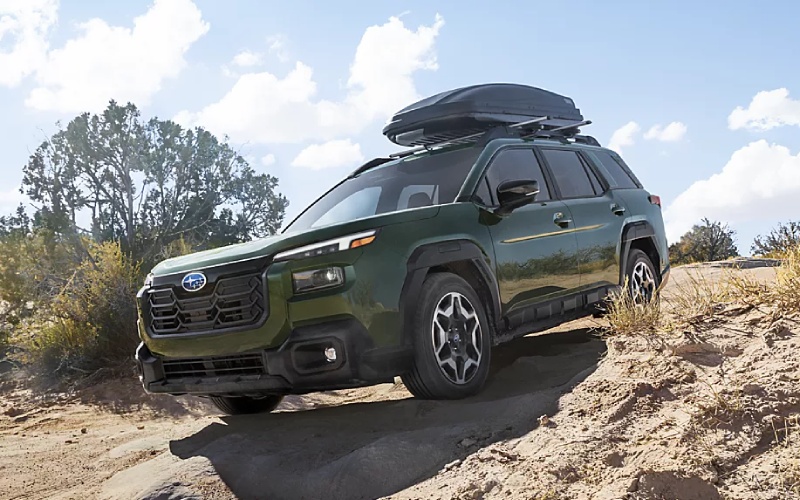
For weekend plans, both brands offer adventurous solutions. Subaru Wilderness models dial up approach angles, clearance, and traction programming without making the daily drive feel heavy or coarse. That balance works well for muddy trailheads off Skyline Boulevard or gravel spurs in Tillamook State Forest, where washboarding and potholes are more common than rock ledges. Jeep’s off-road trims are superb when the day’s destination is technical and slow-going, with tire choices and axle hardware built for obstacles. If your “trail” is often a muddy parking lot at a coastal trailhead, an uneven pullout near a Gorge waterfall, or a snow-packed sledding area near Government Camp, Subaru’s blend of ground clearance, standard AWD, and road-friendly tuning may feel like the right fit.
To make the contrast easier to scan, here is a practical comparison focused on Beaverton-area driving. We encourage you to test both approaches, but consider these patterns as you shortlist.
- Roundabout traction: Subaru’s always-on Symmetrical All-Wheel Drive reacts instantly to quick direction changes in wet circles; many Jeep crossovers use on-demand 4x4 that engages after slip begins.
- Snow-pass stability: Subaru tuning, X-MODE®, and balanced weight distribution foster smooth control in slush and crosswinds; Jeep off-road trims excel in deep, uneven snow but can ride more firmly on daily pavement.
- Visibility and calm: Subaru cabins prioritize sightlines, and EyeSight® is widely standard; Jeep driver-assist features are available but may be trim or package-dependent.
- Ground clearance: Subaru SUVs commonly start near 8.7 inches with more on Wilderness; Jeep off-road variants can exceed that, but base trims vary by model.
- Everyday refinement: Subaru focuses on low center of gravity and composed road manners; Jeep leans toward trail toughness on specific trims, which can add weight or tire noise.
No two shoppers use a vehicle exactly the same way, so it helps to organize a real-world test drive plan around your routine. Here is a simple path our team often recommends when you visit us from Beaverton.
- Drive a series of roundabouts at normal speed after a rain to feel how the vehicle settles and accelerates out of the circle.
- Merge onto US-26, set adaptive cruise control, and note steering feel in ruts or standing water.
- Take a side road with a steep slope, stop mid-hill, and then restart to feel traction programming and throttle response.
- Park on uneven gravel and check approach angles and clearance without forcing the vehicle into obstacles you would never attempt on a family weekend.
As you evaluate, remember that capability is only part of ownership confidence. Subaru vehicles are known for long-term durability, and our service center is staffed by Subaru-certified technicians who know the systems inside and out. We support your adventures before and after purchase—with convenient hours, online scheduling, and an experienced team ready to help you prepare for winter tires, cargo solutions, and seasonal maintenance.
If your driving life in and around Beaverton mixes wet roundabouts, leaf-slick neighborhood streets, and regular winter runs toward the mountain, Subaru’s brand-wide standard Symmetrical All-Wheel Drive, visibility-first cabins, and comprehensive driver-assist coverage deliver an everyday advantage—without giving up the weekend flexibility you want. Jeep offers serious trail prowess on dedicated trims, and if your top priority is technical off-roading, that specialization is compelling. For most local drivers balancing school runs, commutes, and four-season getaways, Subaru’s consistent formula hits the sweet spot.
We invite you to visit Subaru of Portland at 107 SE Grand Avenue in Portland to compare both approaches back to back on your own routes. We will help you map a drive loop that includes the surfaces and scenarios you see every week, answer detailed questions about Symmetrical All-Wheel Drive, EyeSight®, and X-MODE®, and set you up with accessories that fit your plans. Our goal is to make sure your next SUV feels calm and capable on the wettest Oregon morning and the snowiest mountain evening.
Frequently Asked Questions:
What is the practical difference between Symmetrical All-Wheel Drive and Jeep’s available 4x4 systems in Beaverton rain?
Subaru’s Symmetrical All-Wheel Drive is full-time and balanced, helping the vehicle stay composed as grip changes quickly in wet roundabouts and during lane changes in standing water. Many Jeep crossovers offer on-demand 4x4 that sends power rearward after slip is detected, which can work well overall but may feel less seamless during rapid transitions.
Do I still need winter tires if I choose a Subaru with Symmetrical All-Wheel Drive?
All-wheel drive helps you go, while winter-rated tires help you stop and steer on snow and ice. For frequent trips over the passes or early-morning commutes before plows, dedicated winter tires remain a smart choice on either brand.
How does EyeSight® help in roundabouts and heavy local traffic?
EyeSight® can add features such as adaptive cruise control, Pre-Collision Braking, and available Lane Keep Assist. In practice, it can reduce workload during stop-and-go traffic on US-26 or I-5 and may help mitigate or even avoid frontal impacts if the vehicle ahead brakes suddenly as you exit a roundabout.
Which Subaru SUVs offer X-MODE® for slippery starts near steep Beaverton driveways?
Many Subaru SUVs offer X-MODE®, including popular models like Crosstrek, Forester, Outback, and Ascent, with select Wilderness trims adding enhanced traction settings. X-MODE® optimizes throttle, transmission, and traction control at low speeds for confident launches on slick, uneven grades.
Can Subaru of Portland help me plan a test route that mirrors my daily drive?
Yes. We will outline a loop that includes neighborhood roundabouts, a freeway merge, and a steep start, then incorporate a short stretch of uneven surface so you can feel ground clearance and traction in realistic conditions.
When you are ready to experience the differences firsthand, our team will tailor a drive for your routine and answer any questions about Subaru capability, safety, accessories, and service support. We look forward to helping you choose the right SUV for life in the rain, around the circle, and up the mountain.
Request more information
Categories:
Subaru Dealer