
Subaru of Portland - Subaru vs Toyota for Wet-Weather Visibility and Grip near Vancouver, WA
When daily life involves rain-slick streets, misty early mornings, and weekend trailheads, the right vehicle does more than get you from A to B — it keeps visibility clear and traction consistent so every errand or escape feels easy. At Subaru of Portland, we meet many shoppers near Vancouver, WA, who are comparing Subaru to Toyota. Both brands build capable, efficient vehicles. This blog takes a focused look at a single, very Northwest-specific question: which brand’s design philosophy better supports wet-weather visibility and real-world grip around the Columbia River Basin and up into the Cascades?
Our team lives in this environment. The I-5 and I-205 bridges collect spray and crosswinds, SR-14 throws fast weather swings, and neighborhood hills in Camas, Felida, and Fisher’s Landing can turn slick with wet leaves. On winter weekends, many of our customers point the nose toward Government Camp or the coast. These are the moments when a vehicle’s underlying engineering — not just its spec sheet — shows up. Below, we compare how Subaru and Toyota approach traction, visibility, and confidence across their popular crossover and SUV lineups without locking the conversation to a single model.
Subaru builds around Symmetrical All-Wheel Drive — a full-time system paired with the SUBARU BOXER engine along the vehicle’s centerline. The layout is balanced front-to-rear and left-to-right, then the system actively routes torque to all four wheels to maintain grip on changing surfaces. Across Subaru SUVs — Crosstrek, Forester, Outback, Ascent, and the all-electric Solterra — all-wheel drive is standard. Impreza also includes Symmetrical All-Wheel Drive standard. Toyota provides capable all-wheel drive systems across many vehicles; however, AWD is commonly optional on gas models and standard on select hybrids and trims. In daily Portland-Vancouver driving, Subaru’s standard, always-on approach means you do not need to select a mode when rain starts falling at the Westfield exit or when you hit that damp metal expansion joint on the Interstate Bridge — traction support is already engaged, continuously.
- Balanced layout: Subaru’s longitudinal engine and Symmetrical All-Wheel Drive create predictable responses on slick surfaces, helping the vehicle stay composed over paint stripes, leaves, and steel-grate bridge sections.
- Always engaged: Subaru SUVs send power to all four wheels by default, so you do not have to anticipate when to turn a system on as conditions change block by block.
- Fine control in the rain: Brake-based torque vectoring and Vehicle Dynamics Control work with Symmetrical All-Wheel Drive to smooth out mid-corner adjustments when a lane puddle tugs at the tires.
Wet-weather confidence is about more than traction — it is about seeing and being seen. Subaru emphasizes visibility and weather-readiness details that make a difference in this region. Many Subaru models offer a windshield wiper de-icer that warms the base of the windshield, helping prevent wipers from freezing or icing in sleet on the top of I-205. Heated exterior mirrors and available heated steering wheels are easy to find throughout the Subaru lineup. Subaru also tends to prioritize larger glass areas and a more upright greenhouse in its SUVs, which helps reduce blind spots during heavy rain and low-light commutes on Mill Plain or Fourth Plain. Toyota offers helpful cold-weather and visibility features as well, but availability often varies by trim or requires a specific package. With Subaru, the rain-ready details are found across a wide span of trims, which makes building for the Northwest straightforward.
When you leave pavement — maybe a gravel pullout along the Washougal River or a rutted lot at a Lacamas Lake trailhead — traction management matters. Subaru’s available X-MODE optimizes the drivetrain and traction control at low speeds for slippery conditions and includes Hill Descent Control for poised downhill progress on wet gravel. Toyota counters with Trail Mode or Multi-Terrain Select on specific models and trims, and those systems perform well for their intended use. The difference again comes back to approach: Subaru weaves this capability through much of the lineup, so families moving from a Forester to an Outback will find a familiar set-and-go tool for wet grass, boat ramps, or snow-packed driveways.
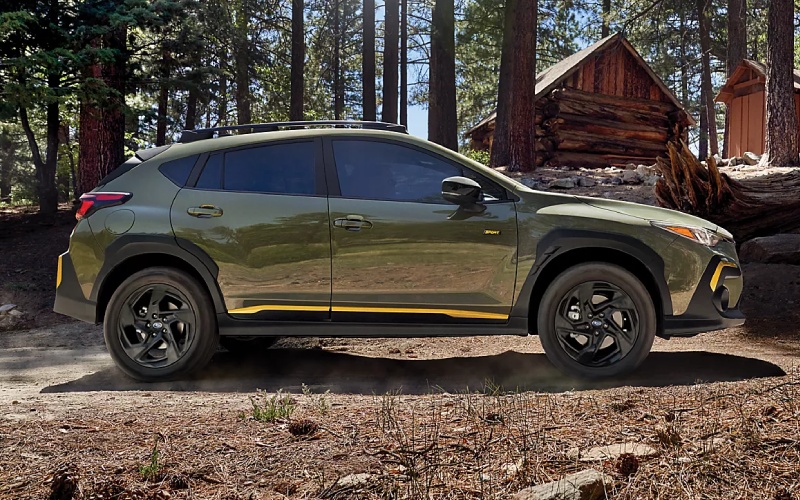
Ground clearance is another everyday advantage here. Subaru SUVs generally deliver 8.7 inches of clearance, with Wilderness models pushing up to 9.5 inches. That extra space pays off when a curbside snow berm builds along Main Street in Vancouver or a forest service road holds standing water. Many Toyota crossovers provide respectable clearance, but Subaru’s across-the-line emphasis on taller ride height reduces the need to overthink which trim can comfortably clear ruts or snow piles during a family ski run.
Safety technology is central to both brands, and both provide robust suites. Subaru’s EyeSight® Driver Assist Technology, standard on most Subaru models, uses a pair of cameras mounted near the rearview mirror to monitor traffic and lane markings. Functions include Adaptive Cruise Control, Lane Keep Assist, and Pre-Collision Braking support. Subaru further offers available DriverFocus® Distraction Mitigation System on select models. Toyota Safety Sense provides a comparable list of aids and is widely standard across Toyota vehicles. Where we find a tangible difference in this climate is in how the systems are calibrated to work with the wide mood swings of Northwest weather. EyeSight® is designed to operate across a range of visibility conditions, and the stereo-camera approach assists with distance and object recognition. As with any driver-assist system, clear glass and clean sensor areas are essential; during downpours or heavy spray, both brands’ systems may temporarily limit functions until conditions improve. We remind customers that these systems are assistants, not substitutes for attentive driving, especially when the Gorge throws gusts and mist into the mix.
Inside the cabin, Subaru leans into materials and accessories that thrive in this environment. Available StarTex water-repellent upholstery on select models is a favorite among customers who trail run at Frenchman’s Bar or load wet gear after paddle sessions on Vancouver Lake. Add genuine all-weather floor liners and cargo trays, and it is easy to keep mud out of the carpet. Roof rails and integrated crossbar systems across the Subaru SUV family simplify bike, kayak, and rooftop box setups for weekend escapes. Toyota offers practical cabin and cargo solutions, too; the takeaway is that Subaru bakes wet-gear readiness into the fabric of its lineup so your configuration stays consistent as your family or hobbies shift.
Local ownership support matters as much as the purchase. Our Subaru of Portland service center features 10 Subaru Master Technicians — the most of any dealership in the Pacific Northwest — and we customize maintenance based on Subaru manufacturer recommendations. We make online scheduling simple, and our open service drive helps you get in and out quickly. For qualifying warranty work or repairs that extend beyond a single day, our complimentary loaner policy may apply once diagnostics are complete and approved. The result is straightforward: you get expert care that keeps EyeSight® cameras calibrated, X-MODE operating as intended, and all the little rain-ready touches working season after season.
If you are weighing Subaru against Toyota near Vancouver, WA, and your daily life includes rain, steep driveways, and frequent trips to the Gorge, the Subaru philosophy — standard Symmetrical All-Wheel Drive, visibility-first design, and trail-friendly clearance — delivers confident control with fewer decisions to make from the driver’s seat. Toyota builds many excellent vehicles, and for some shoppers, a specific Toyota trim will fit just right. For a balanced, wet-weather-ready everyday experience across an entire lineup, our view is that Subaru gives you more of what this region demands without having to chase the right package or drivetrain.
We invite you to visit us at Subaru of Portland, 107 SE Grand Ave, and experience these differences in real time. Our product specialists can map a drive that includes bridge grating, hills, and neighborhood routes so you can feel how visibility, stability, and traction come together. Whether you are running up to Ridgefield for a morning birding session or heading over SR-14 to a foggy trailhead, we are here to help you choose the vehicle that makes every mile feel calm and controlled.
Frequently Asked Questions:
Do all Subaru SUVs include Symmetrical All-Wheel Drive?
Yes. Symmetrical All-Wheel Drive is standard on Subaru Crosstrek, Forester, Outback, Ascent, and Solterra, and Impreza also includes Symmetrical All-Wheel Drive standard. This consistent approach means you get full-time traction support without special ordering or stepping up to a specific package. For exact feature availability by trim, our team will review the current lineup with you.
What is a windshield wiper de-icer, and which Subaru models offer it?
The windshield wiper de-icer gently warms the base of the windshield to help free wiper blades from ice and slush. It is widely available across Subaru SUVs, often bundled with cold-weather features like heated seats and heated exterior mirrors. Availability varies by trim, and we can show you which configurations include it.
How does EyeSight® perform in heavy rain or spray from trucks on I-5?
EyeSight® Driver Assist Technology is engineered to operate across a range of weather conditions, but heavy rain, fog, or spray may reduce camera visibility. In those moments, the system can temporarily limit some functions until conditions improve. Keeping the windshield clean and wipers in good condition helps performance. After windshield replacement, calibration is important — our service team is equipped to handle EyeSight® calibration per Subaru guidelines.
What ground clearance is recommended for trailheads and snow around Vancouver, WA?
For most regional trailheads and typical snow berms, 8.7 inches of clearance found on many Subaru SUVs works well. If you regularly reach deeper ruts, unmaintained roads, or heavier snow, Wilderness models offering up to 9.5 inches provide extra margin. Conditions vary, so always drive cautiously and within your comfort level.
How can I test Subaru's traction and visibility features before deciding?
Visit Subaru of Portland and ask for a route that includes hills, bridge surfaces, and neighborhood streets. We will help you experience Symmetrical All-Wheel Drive, outward visibility, and features like X-MODE in real driving. You can also schedule service or ask about accessories to tailor your Subaru for rainy-season life near Vancouver, WA.
- Next step: Stop by our showroom at 107 SE Grand Ave to explore Subaru SUVs side by side and take a drive that mirrors your commute.
- Service support: Our open service drive and online scheduling make maintenance simple, and complimentary loaner vehicles may be available for qualifying repairs after diagnostics and approval.
- Local know-how: We live the same weather and routes you do, and we are happy to recommend setups for winter driving, weekend gear, and pet-friendly accessories.
Rain happens here — a lot. Choosing a vehicle designed from the ground up to stay composed, clear your view, and keep moving when the weather turns is the simplest way to make every day easier. We would love to show you how a Subaru makes that difference.
Request more information
Categories:
Subaru Dealer